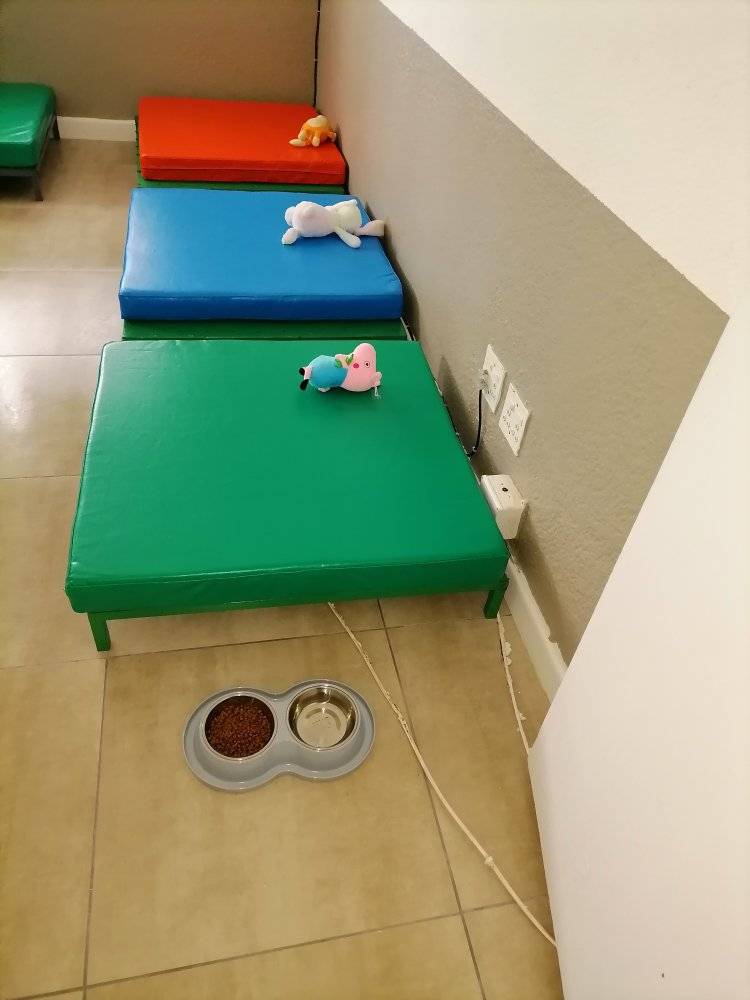
The Ultimate Guide to Pet Care: Keeping Your Furry Friends Happy and Healthy

Bringing a pet into your home is a wonderful experience filled with love, companionship, and joy. Whether you have a dog, cat, bird, or small animal, pets quickly become cherished family members. However, along with the joy comes the responsibility of ensuring your pet’s health and happiness. Proper pet care involves more than just providing food and shelter—it requires understanding their unique needs, ensuring their physical and emotional well-being, and providing a safe, nurturing environment.
In this blog, we’ll cover the essential aspects of pet care, including nutrition, grooming, exercise, and emotional support, to help you give your furry (or feathered) friend the best life possible.
1. Nutrition: Feeding Your Pet for Optimal Health
One of the most important factors in maintaining your pet’s health is providing a balanced and nutritious diet. Each species has specific dietary needs, and meeting those needs is crucial for their growth, energy levels, and overall well-being.
Dogs and Cats: These pets require a diet rich in high-quality protein. For dogs, look for a combination of proteins, fats, and carbohydrates to maintain their energy levels. Cats, being obligate carnivores, need a meat-based diet with a high amount of animal protein and minimal carbohydrates. It’s important to avoid feeding them human foods, which can sometimes be harmful or toxic.
Small Animals: Rabbits, guinea pigs, and hamsters have different dietary requirements. For example, rabbits need a diet rich in hay, fresh vegetables, and pellets, while guinea pigs require daily intake of Vitamin C, which can be found in fruits and certain veggies.
Birds: Birds thrive on a combination of seeds, pellets, fresh fruits, and vegetables. Offering a varied diet ensures they receive all the necessary nutrients, and it also provides mental stimulation.
Fresh Water: No matter the species, always ensure that your pet has access to fresh, clean water at all times.
2. Exercise and Mental Stimulation: Keeping Pets Active
Exercise is critical to your pet’s physical health and emotional well-being. Lack of exercise can lead to obesity, behavioral problems, and poor health.
Dogs: Dogs need regular walks and playtime to stay physically fit. Some breeds require more vigorous exercise, like running or playing fetch, while others do well with moderate activities. Daily walks also provide mental stimulation by allowing your dog to explore new sights and smells.
Cats: Even though cats are known for lounging, they also need exercise to stay healthy. Interactive toys, laser pointers, and climbing trees can help keep your cat active and engaged.
Small Animals: Provide small animals with plenty of space to move around. Rabbits, for example, enjoy time outside their cage in a safe, enclosed area. Hamsters and guinea pigs benefit from tunnels, wheels, and toys to explore and keep their minds sharp.
Birds: Birds need time outside of their cages to stretch their wings and exercise. Provide perches at different heights and interactive toys to prevent boredom.
Mental Stimulation: Just as physical exercise is important, so is mental stimulation. Puzzles, training sessions, and interactive toys keep pets mentally engaged and prevent boredom, which can lead to destructive behaviors.
3. Grooming: Keeping Your Pet Clean and Comfortable
Regular grooming not only keeps your pet looking their best but also helps maintain their overall health.
Dogs: Brush your dog’s coat regularly to prevent matting and remove dead hair. Depending on the breed, they may need more frequent grooming or trimming. Regular baths, nail trims, and ear cleaning are also essential to keep them clean and free from infections.
Cats: Cats are generally good at grooming themselves, but long-haired breeds may need help with brushing to prevent mats and tangles. Regular nail trims and occasional baths (for some cats) can also keep them healthy and happy.
Small Animals: Small animals like guinea pigs and rabbits need regular brushing to remove loose fur, especially during shedding season. Some species, like guinea pigs, also require nail trimming.
Birds: Birds often preen themselves, but they benefit from regular misting or baths to keep their feathers clean and healthy. Clipping their nails and trimming their wings (if necessary) can also help prevent injury.
4. Veterinary Care: Ensuring a Long, Healthy Life
Routine veterinary care is crucial to your pet’s health. Regular checkups can help catch any health issues early and ensure your pet is up to date on necessary vaccinations.
Annual Vet Visits: Take your pet for an annual checkup to ensure they are in good health. During these visits, your vet can check for early signs of illness, dental health issues, and any parasites that may have taken hold.
Vaccinations and Preventatives: Keep your pet’s vaccinations up to date, as these help protect them from common diseases. For dogs and cats, heartworm, flea, and tick preventatives are essential to prevent serious health conditions.
Spaying/Neutering: Spaying or neutering your pet helps control the pet population and has health benefits, such as reducing the risk of certain cancers and preventing behavioral issues.
Dental Care: Dental health is often overlooked but is essential to your pet’s overall well-being. Regular brushing and professional dental cleanings prevent gum disease and other dental issues, which can affect your pet’s organs if left untreated.
5. Emotional Support and Companionship
Pets thrive on companionship and emotional connection. They are social creatures, and their emotional health is just as important as their physical health.
Spending Quality Time: Dogs, cats, and even small animals need time with their human companions. Playtime, cuddling, and simply being around them can help reduce anxiety and stress, keeping your pet emotionally balanced.
Socialization: For dogs and some small animals, proper socialization with other animals and people is important. Early socialization helps prevent fear-based aggression and anxiety in new situations. Puppy socialization classes or dog playgroups are great ways to help your dog become comfortable around other animals and people.
Routine and Structure: Pets feel safe when they have a consistent routine. Establish regular times for feeding, play, and rest. This predictability helps reduce anxiety, especially for animals prone to stress.
6. Pet-Proofing Your Home
To ensure your pet’s safety, take steps to pet-proof your home. Remove or secure any items that could be harmful to your pet.
Remove Hazards: Keep toxic plants, chemicals, and small objects out of your pet’s reach. Items like electrical cords, medications, and certain foods (such as chocolate or grapes) can pose serious risks to pets.
Secure Escape Routes: Ensure that windows, doors, and fences are secure to prevent your pet from escaping or getting injured.
Create a Safe Space: Give your pet a quiet, safe area where they can retreat when they feel overwhelmed or need rest. This is especially important for cats, small animals, and birds.
7. Traveling and Pet Care During Absences
If you’re planning to travel, make arrangements for your pet’s care while you’re away. Whether you hire a pet sitter, use a boarding service, or take them with you, it’s essential to ensure your pet’s comfort and safety.
Pet Sitters/Boarding: Choose a reliable pet sitter or boarding facility to care for your pet. Ensure they provide the attention, exercise, and care your pet needs in your absence.
Travel Safety: If you’re traveling with your pet, ensure they are safely secured in a crate or pet-friendly seatbelt during car trips. For air travel, make sure you’re familiar with the airline’s pet travel policies.
Conclusion: A Commitment to Lifelong Pet Care
Caring for a pet is a long-term commitment, requiring attention to their physical, emotional, and social needs. By providing a balanced diet, regular exercise, grooming, veterinary care, and plenty of love and companionship, you can ensure your pet lives a long, healthy, and happy life.